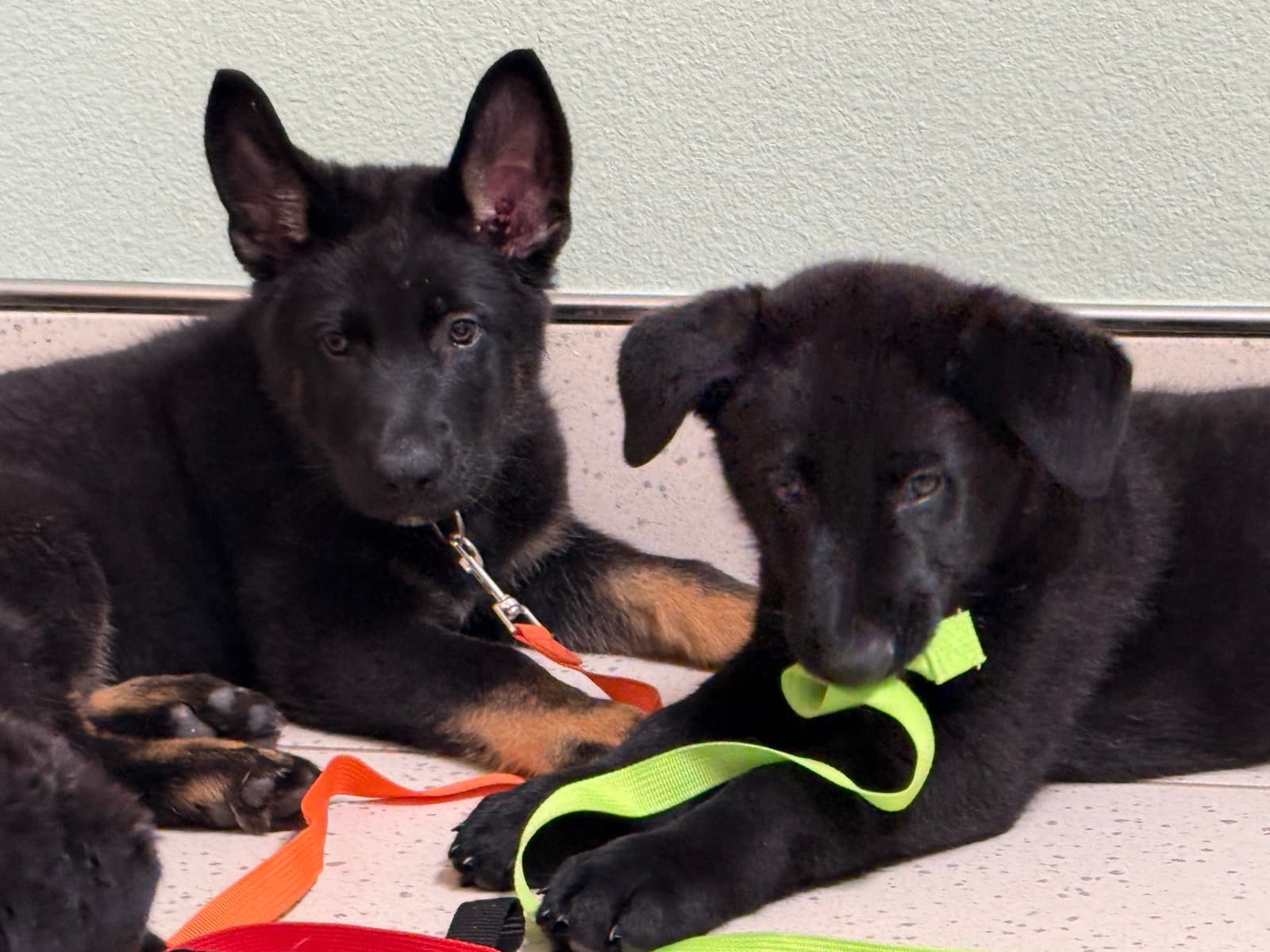
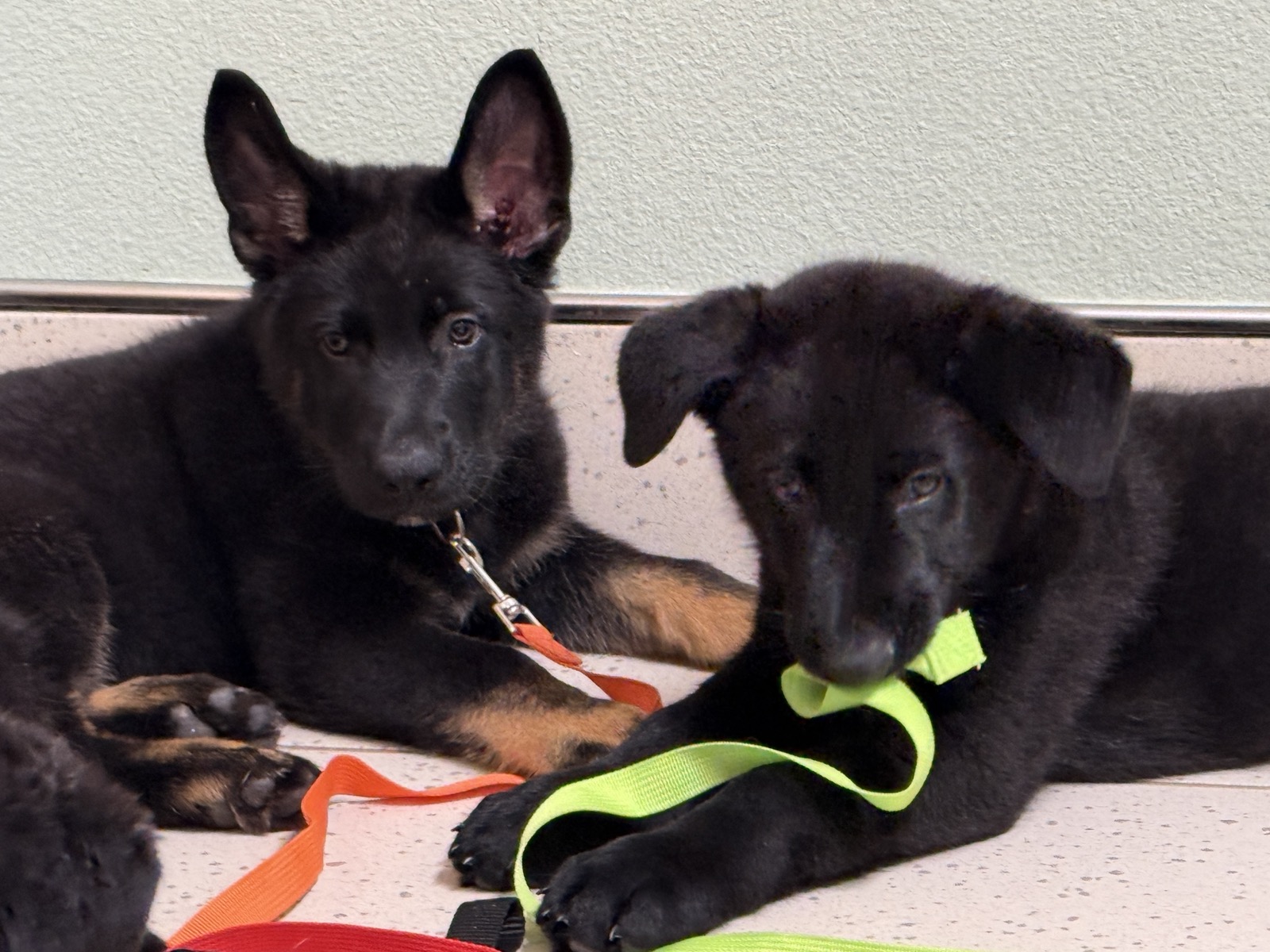
There is a word people throw around in dog circles—responsible breeder—and it gets worn thin until it means almost nothing. To me it means something plain and heavy: you are responsible for the lives you bring into the world. Not until they leave your driveway. Not until the deposit hits your account. For the life. You accept that the creature did not ask to be born, and you owe them structure, health, honesty, and a plan that does not end at “sold.”
That is the difference between a responsible breeder and all the other kinds—the mills, the volume kennels, the backyard litters bred because “she’s pretty” or “he’s got papers,” the people who treat puppies like inventory that self-disposes once the buyer drives away. I am not here to perform a sermon on them. You already know the smell of a bad operation if you have been near one. I am here to say what yes looks like when you take the weight seriously: you breed with intention, you socialize with discipline, you tell the truth about each pup’s temperament, and when the world does not hand you the fairy-tale placement you prayed for, you still show up for the dogs in front of you.
The Brooklyn 99 litter was born in that spirit.
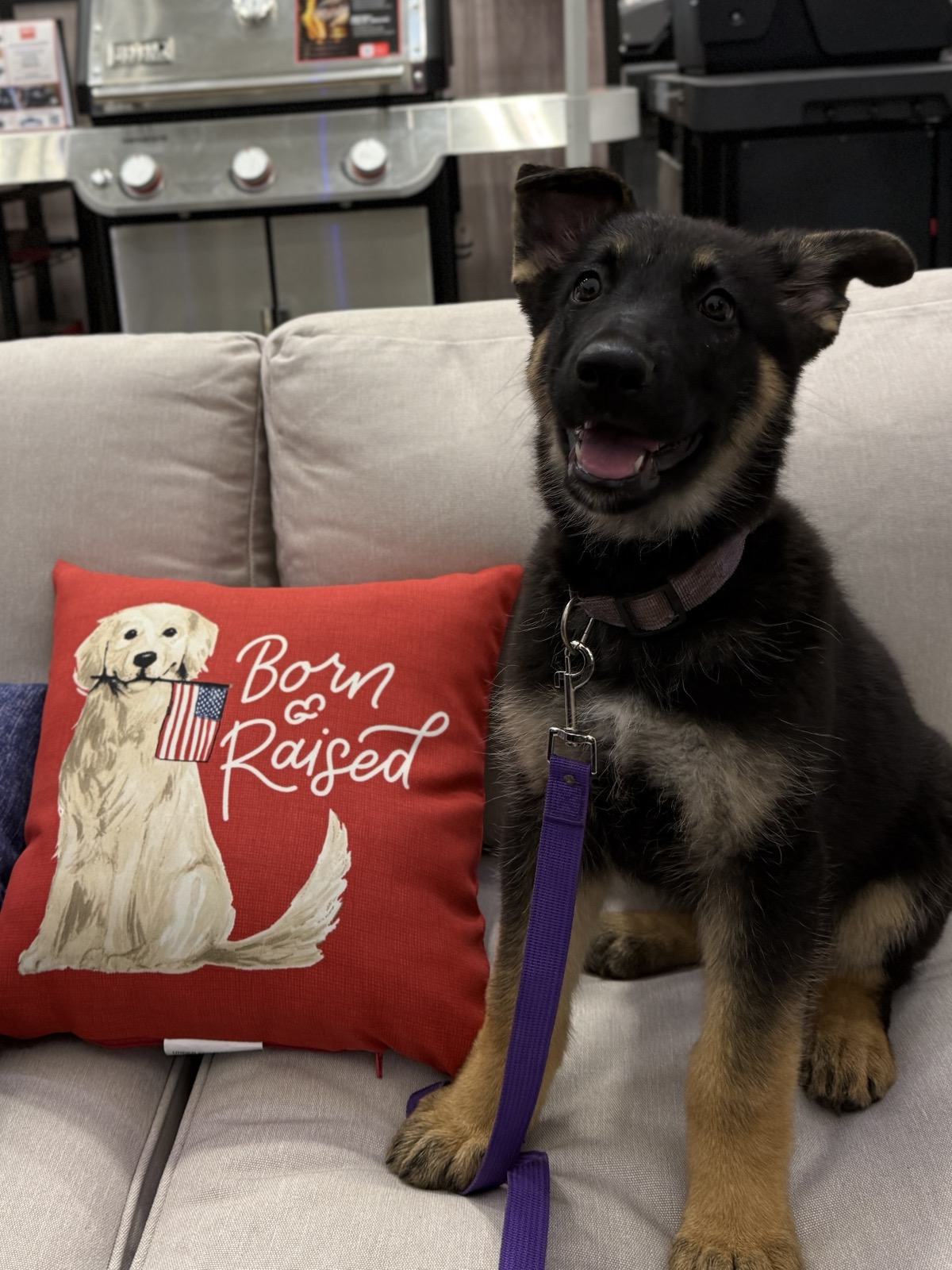
I had hoped—truly hoped—that there were disabled veterans out there in need of these puppies. Not as accessories. Not as symbols. As partners: reasons to stand up, bodies to train toward mobility work, steady presences for humans who have already given more than most of us will ever understand. I reached out across Texas, hundreds of contacts, posts, legion halls, word of mouth, every thread I could pull without turning human pain into marketing. I wanted a home where a dog could change mornings.
We had one interested party. One. And the spouse did not want a dog—for any reason. I do not write that to shame anyone. Marriage is its own battlefield, and “no” can be final in a way that has nothing to do with whether the veteran still needs a partner. I honor the no. I also will not pretend it did not hurt, because I was holding six futures in my hands and the door closed anyway.
Now we are at the end of a window that does not negotiate.
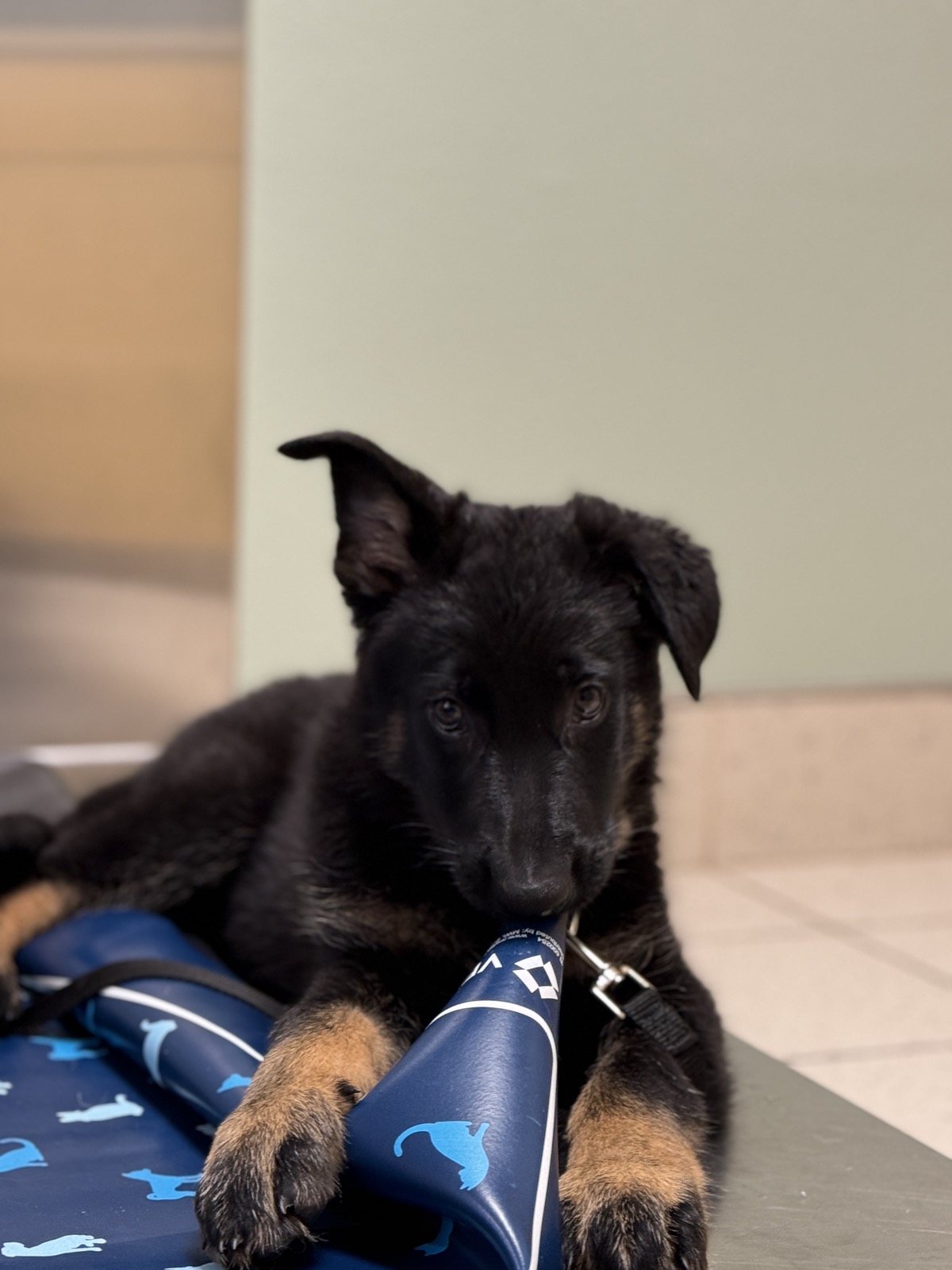
If you are breeding puppies for service work, there is a season when they must be separated from the litter—before twelve weeks—or a bond forms that is so deep, so adhesive, that their ability to work alone with a single handler can simply vanish. Not because they are bad dogs. Because they learned, at the most plastic moment of their lives, that their primary allegiance is the pack at their shoulder, not the human who will one day need them to think independently in a grocery store, a parking lot, a hospital hallway. I have watched this truth play out across decades. The calendar is not cruel; it is biology.
We are at the end of that window.
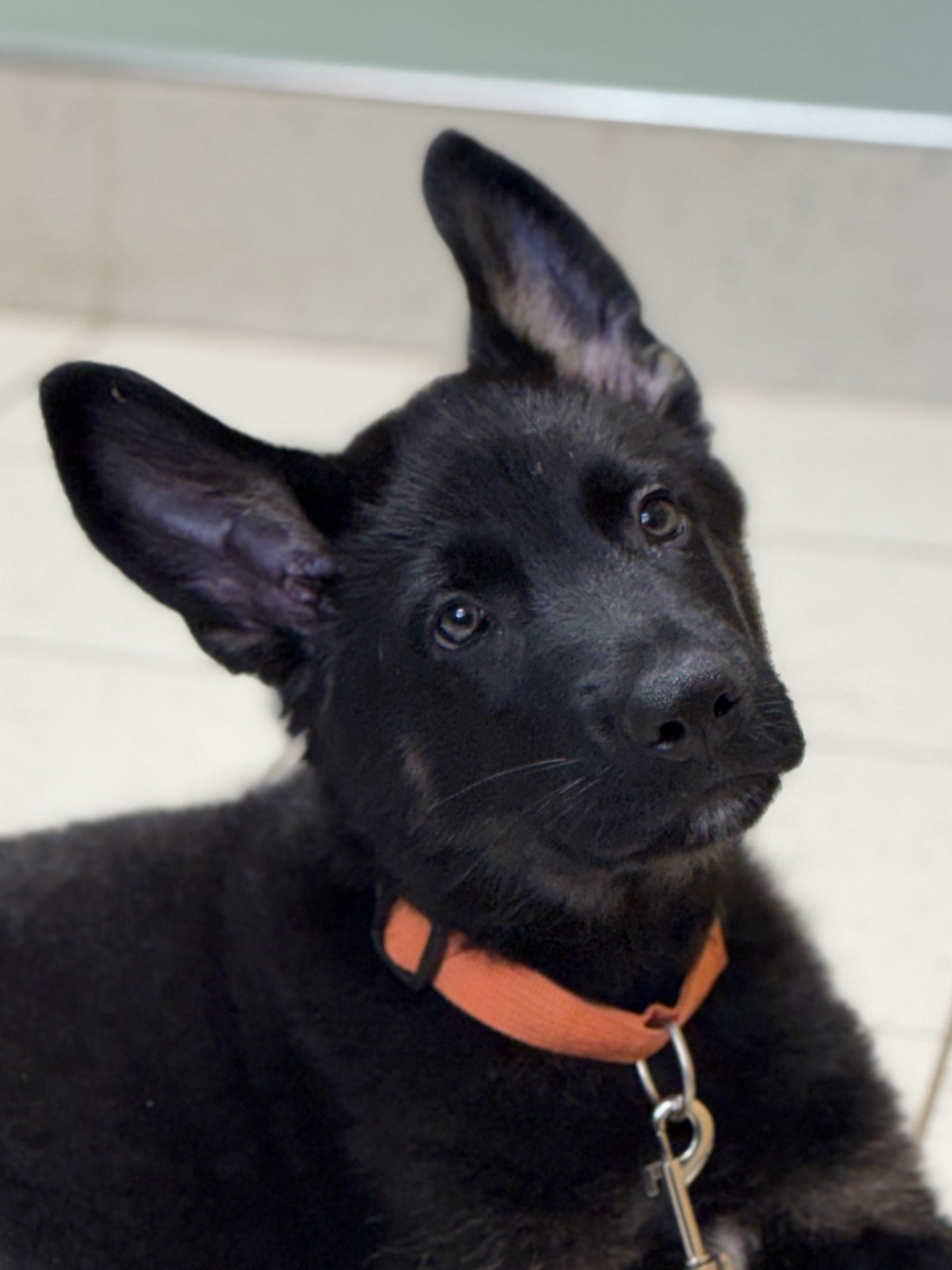
So here is where the Brooklyn 99 story lands, without varnish: none of these puppies, save the one I specifically bred for, will be going to service homes. If I can find solid veteran or police homes where they will be cherished as pets, I will still try—but the odds, as of today, are that they will remain here with me. That is a kind of sad. I will say it out loud so nobody mistakes my pride for denial.
Two of these pups would have made spectacular working dogs. I do not say that because I need the world to admire my breeding program. I say it because I watched them move, think, recover, and commit—and I know what I am looking at. And yet life is much like it is for human beings: there are plenty of people walking around who are amazing at one particular thing, and they spend their years in fields that have nothing to do with that innate gift. Not because they are lazy. Because timing, geography, family, money, health, and plain old chance are not fair.
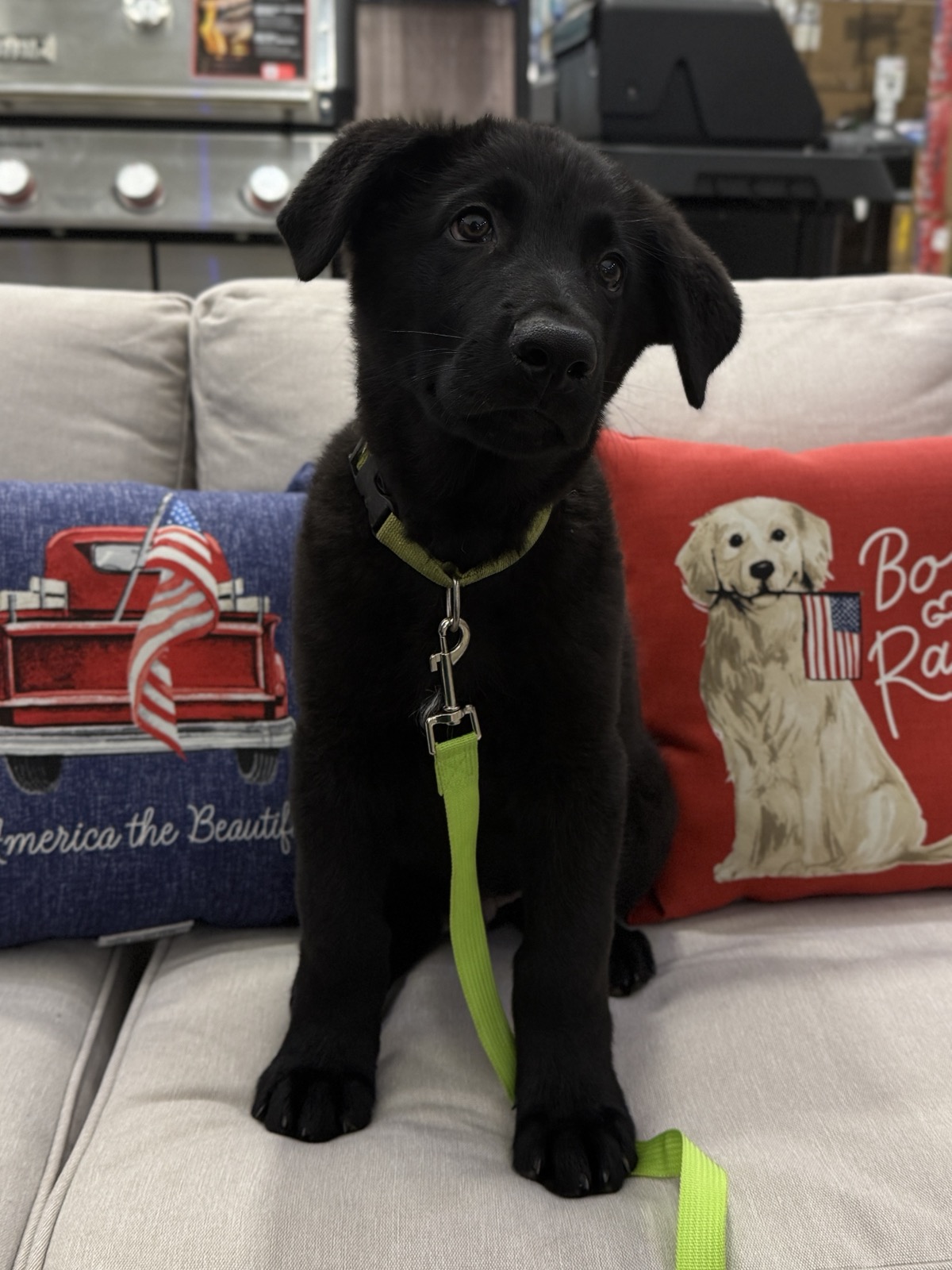
So I will have six more couch potatoes, as the joke goes in my house—five more, and one very, very amazing service dog. Terry. My pick. The one I bred toward on purpose. I am not complaining when I tell you that. I am super proud of him. I cannot wait to watch what he becomes beside me in the world.
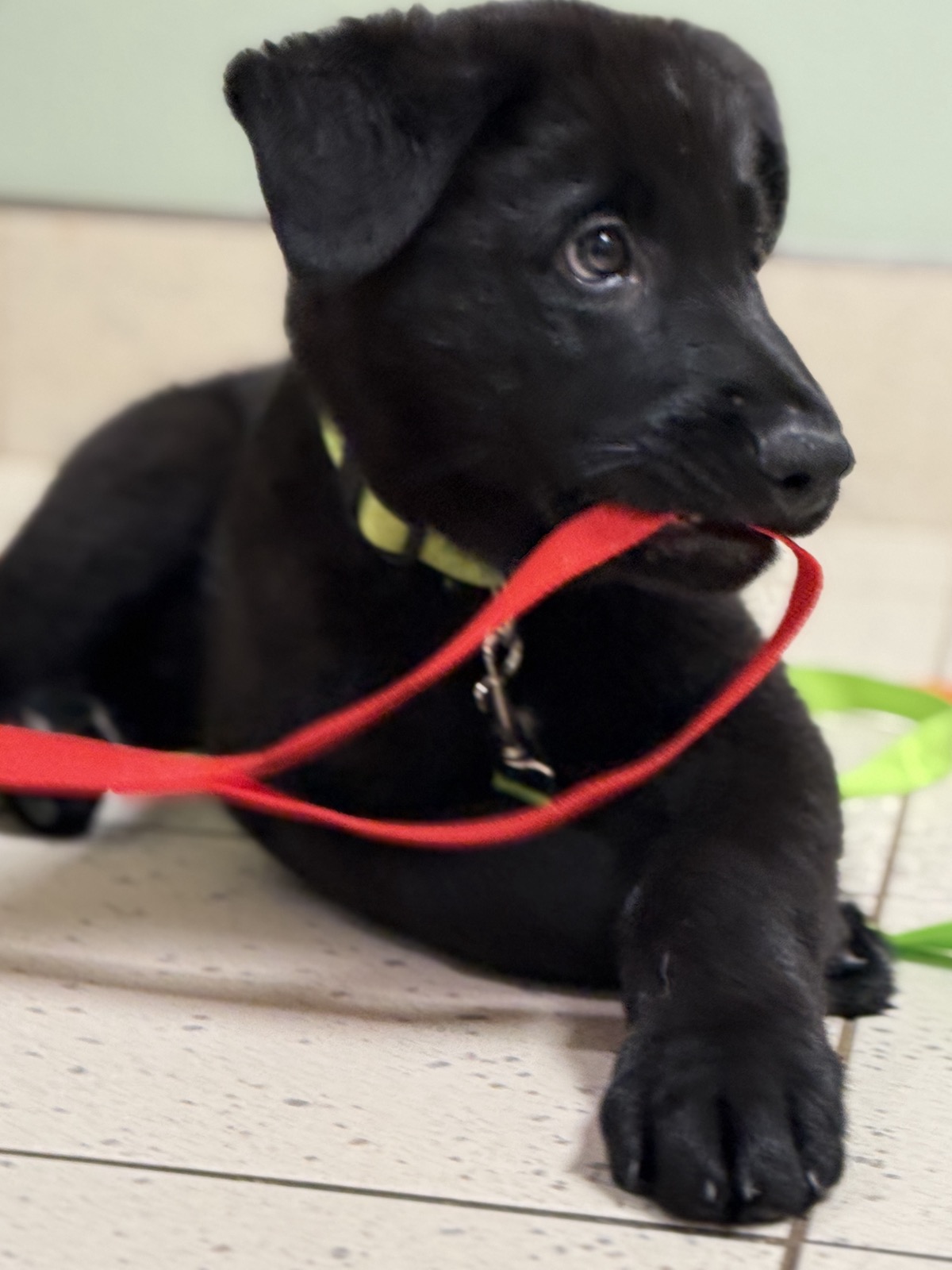
My husband calls the rest my “Potato Chips.” You cannot eat just one. He is not wrong. They are warm, ridiculous, brilliant in their own ways, and they will grow into family members I already love—not failed service dogs, not disappointments, not a litter that “did not work out.” They are dogs who will sleep on my floors, steal my socks, and teach my heart the same lesson this work has always taught me: responsibility does not end when the mission changes.
If you are reading this and you are a breeder—or you are thinking about breeding—ask yourself the hard question before you mate a pair: Am I willing to be responsible for what I create even when the phone stops ringing? If the answer is no, please do not breed. If the answer is yes, then act like it when the placements do not arrive on schedule. The dogs never signed up for your optimism. They signed up for your constancy.
If you are a veteran who needed a dog and could not take one—this is not a rebuke. I see you. I keep raising and giving where I can. This litter simply met a wall that was bigger than my hope, and smaller than my duty.
And if you are one of my Potato Chips, curled somewhere in my house while I type this: you were never a consolation prize. You were always mine to protect once the world said no.
Strength stands watch.
And so do I.
Wendi Coffman-Porter
Real handler, real stories, real dogs.
FurPower.org