My Story
Corn allergy at 37. Near-death. A dog who keeps me alive. And why I puppy-raise for veterans now.
I have loved dogs for as long as I can remember, long before I understood that the bond between a person and a dog could one day become the thin line between life and death. When I was only eight years old I was already out in the backyard with whatever neighborhood pup would tolerate my clumsy attempts at training, learning that patience and consistency could reshape even the most stubborn behavior. By fourteen I was doing it for pay, walking into strangers' homes to help families whose dogs had turned their lives upside down with anxiety, aggression, or simple chaos. Those early years taught me that dogs are mirrors — they reflect back exactly what we give them, and sometimes what they need most is someone willing to see them clearly and meet them where they are.
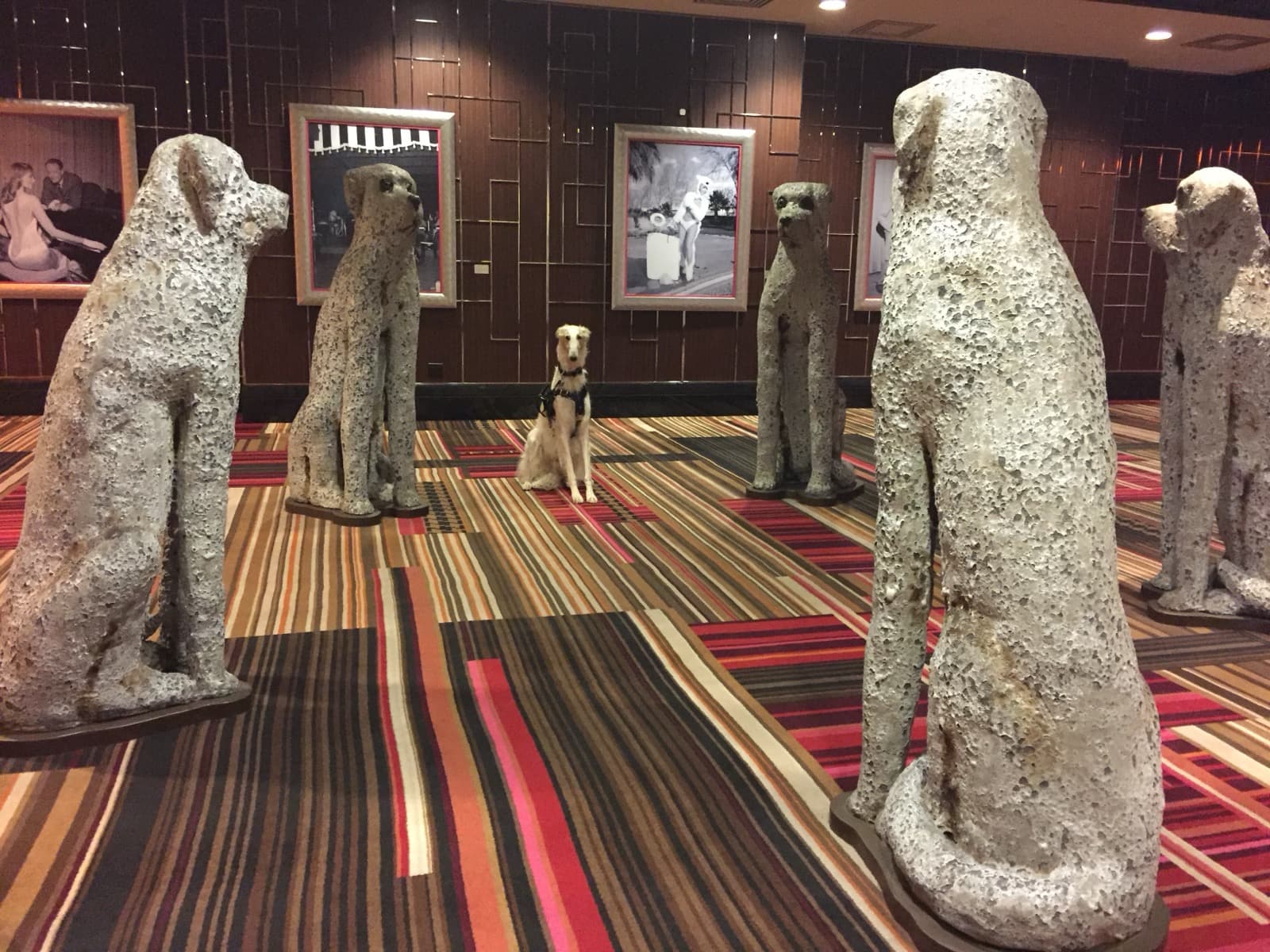
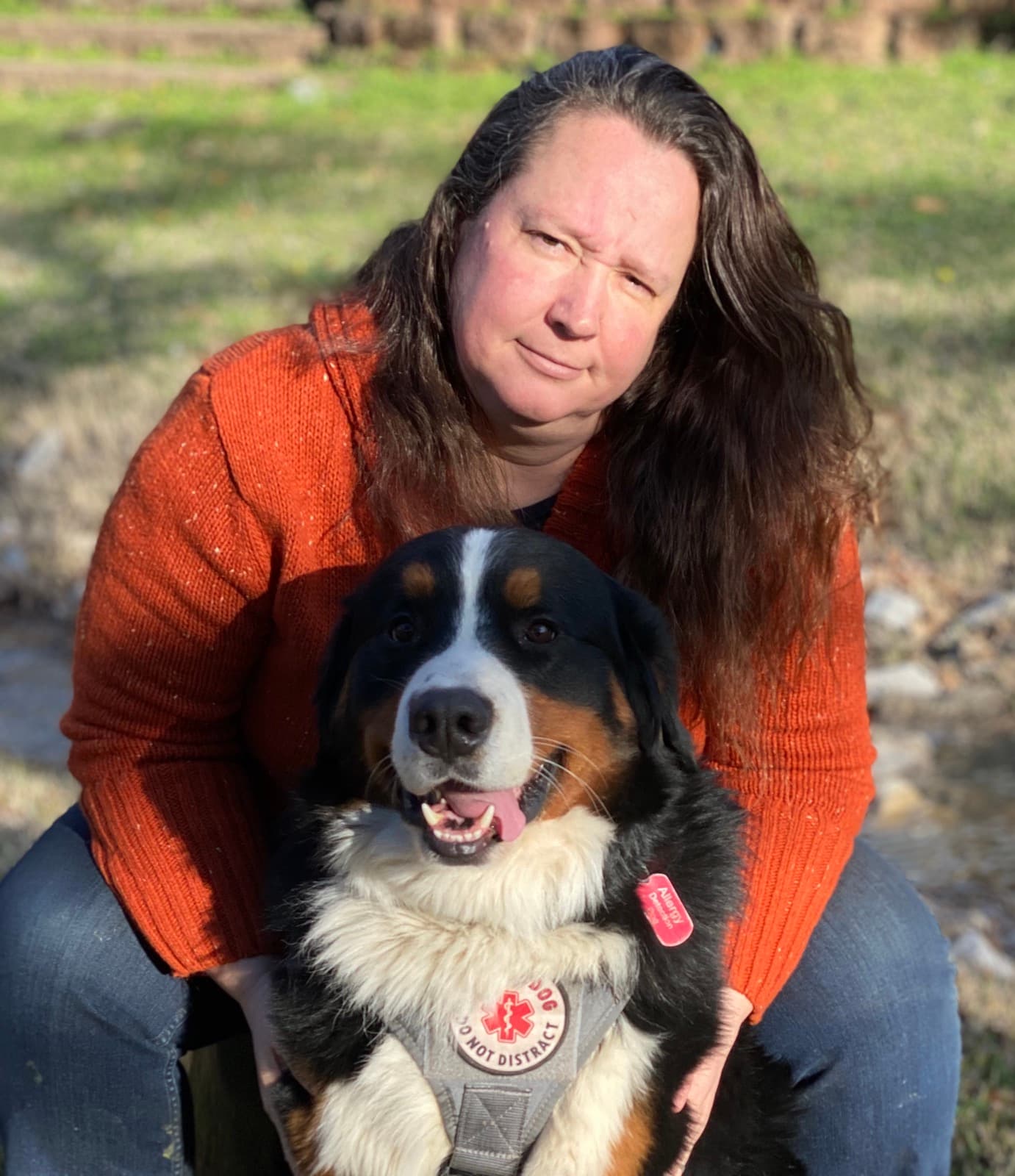
At twenty-two I stepped into the bright lights and green grass of AKC conformation and obedience rings, and a whole new world opened. Over the next decade I moved through breeds that still live in my heart like old friends: the towering, velvet-eared Great Danes who could rest their chins on my shoulder, the flowing elegance of Afghan Hounds that seemed to dance rather than run, the aristocratic grace of Borzois, the massive, sweet-natured Newfoundlands who thought they were lap dogs, and the sturdy, soulful Bernese Mountain Dogs whose kind eyes could quiet an entire room. Each breed brought its own lessons in structure, drive, and the quiet poetry of working together as a team.
In my late twenties, while I was still grinding through college classes, I began working with police officers and their K9 partners, and that experience forged something unbreakable in me. I learned the razor-sharp science of narcotic and scent detection, the controlled power of patrol work, and the kind of trust that forms when a dog's nose is the only thing standing between an officer and danger. Those years deepened my respect for the men and women who wear the badge and for the four-legged warriors who never ask for recognition — they simply do the job.
Then one ordinary evening the ground shifted beneath my feet in the most mundane way imaginable. I was sitting at my own kitchen table eating a bowl of popcorn when my throat began to close without warning. Within moments the world narrowed to a single desperate fight for air. My husband grabbed his Epi-pen and saved my life that night, but we had no idea we were only at the beginning of a war. I had developed a severe, life-threatening allergy to corn — and corn, I would soon discover, is not something you can simply avoid by skipping the obvious foods.
It hides everywhere. High-fructose corn syrup sweetens sodas, candies, baked goods, cereals, ketchup, barbecue sauce, salad dressings, and seemingly innocent "fruit" snacks. Cornstarch thickens soups, gravies, powdered sugar, and medications. Corn oil fries restaurant food and fills snack bags. Cornmeal appears in tortillas, cornbread, and coatings. Maltodextrin, dextrose, citric acid, xanthan gum, and modified food starch lurk in processed meats, canned vegetables, vitamins, and even some paper products. Xylitol — that "sugar-free" darling — sits in chewing gum, toothpaste, mouthwash, and certain diabetic candies. It sneaks into envelopes and stamps, cosmetics, lotions, and sometimes even the very intravenous fluids doctors use in hospitals. What most people dismiss as a minor dietary inconvenience became, for me, a constant, invisible threat that could strike anywhere, at any time.
The world outside my front door transformed into a minefield. I began collapsing in doctors' offices, at my publisher's building, in hospital waiting rooms, parking lots, and even my own driveway. I still have reactions inside my home. Every stranger became a potential danger, and some of them proved it by deliberately exposing me to corn products because they thought it was funny or believed I was exaggerating. The cruelty of those moments still stings, but it also hardened my resolve.
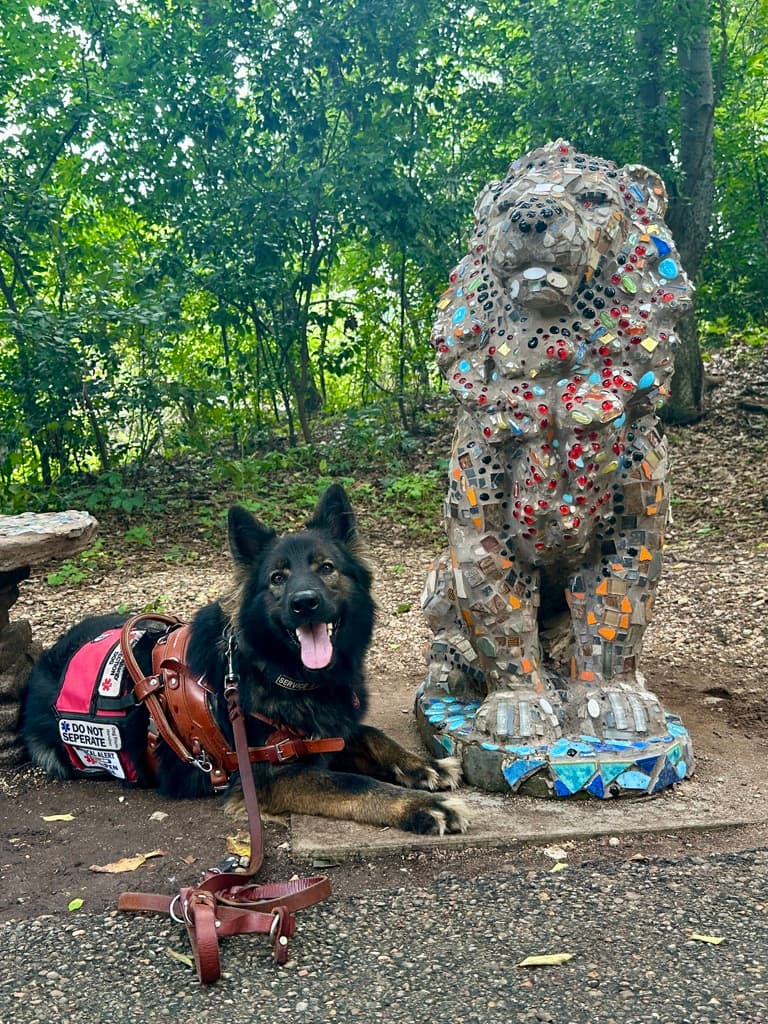
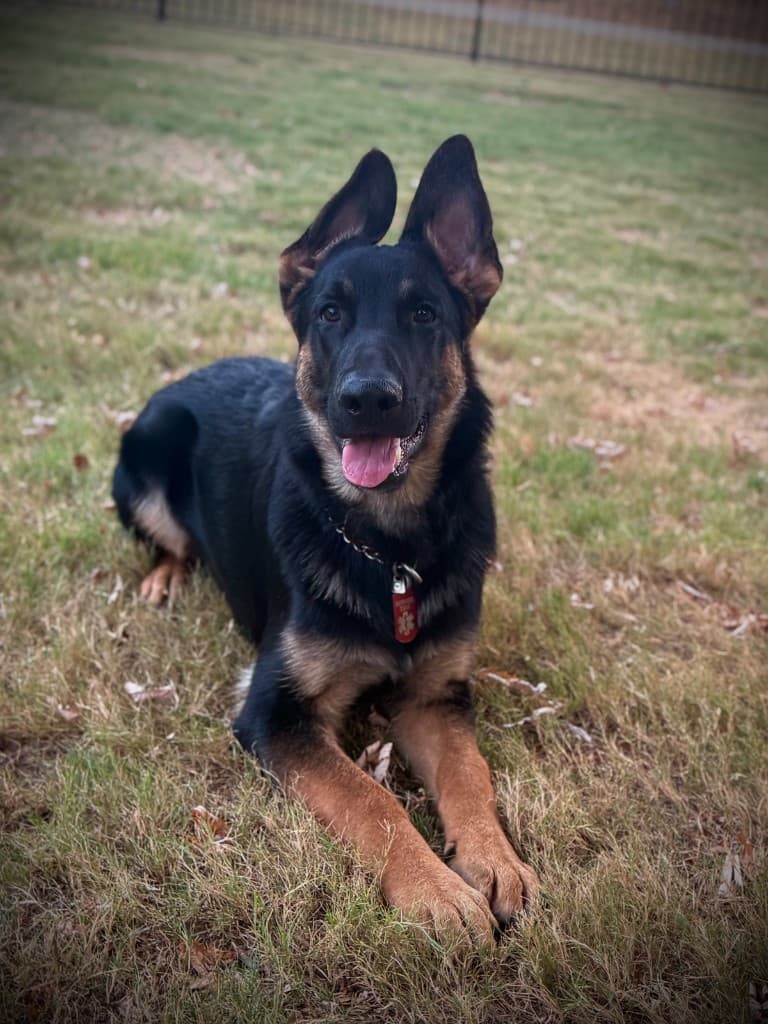
After years of living like a prisoner in my own skin, I made a decision born of pure defiance. If I could train narcotics detection dogs for police work, then surely I could train a dog to scent corn proteins in the air before they reached me. It sounded logical on paper. In practice it was a nightmare. I failed more times than I can count. There were heartbreaking setbacks, expensive mistakes, terrifying public-access incidents, and long nights when I wondered if I would ever breathe freely again. My service dogs and I have both been attacked. I have cried enough tears to fill rivers. But through every failure and every small, hard-won victory I learned — about dogs, about the law, about ethics, about what real strength actually looks like when your body betrays you daily.
Today, at fifty-two, my health no longer allows me to take on full training clients, and I have made peace with that. This last litter taught me something harder to swallow: there is no room for another breeder of service dogs. Even though I know that cannot possibly be true — that somewhere, surely, people are desperate for the autonomy and safety a real service dog provides — the reality on the ground tells a different story. The people who genuinely need service dogs often do not want them, and the people who insist they want them rarely need them. My inbox fills with requests from people who feel stressed and believe that means they deserve to take a pet anywhere they please, while the veterans and disabled individuals who could truly benefit remain out of reach or uninterested.
So my journey turns inward. I still help where I can — answering questions, explaining rights and responsibilities, laying out what a service dog can and cannot do — but that is where it ends. I will keep sharing my story here in the hope that it might help someone who stumbles across these pages and needs to know they are not alone. I am still here if you find yourself with a question or need someone who understands what it is like to live at the mercy of your own body. But the dream of helping others find the autonomy that a service dog can provide is no longer my future. My path leads elsewhere. Where? I have no idea. And maybe that is okay.
This website is my way of laying everything I have learned at your feet. It is not a sales pitch. It is not another polished expert telling you what to do. It is simply the honest record of a woman who almost died at thirty-seven, who still fights for every breath, and who has stayed alive because of a dog's loyalty. If you feel forgotten, if your body has become a cage, if you are a veteran carrying wounds the world cannot see — you are not alone here. Sometimes the greatest strength does not roar. Sometimes it simply stands watch, refuses to leave your side, and reminds you that you are still worth loving.
Strength stands watch.
And so do I.