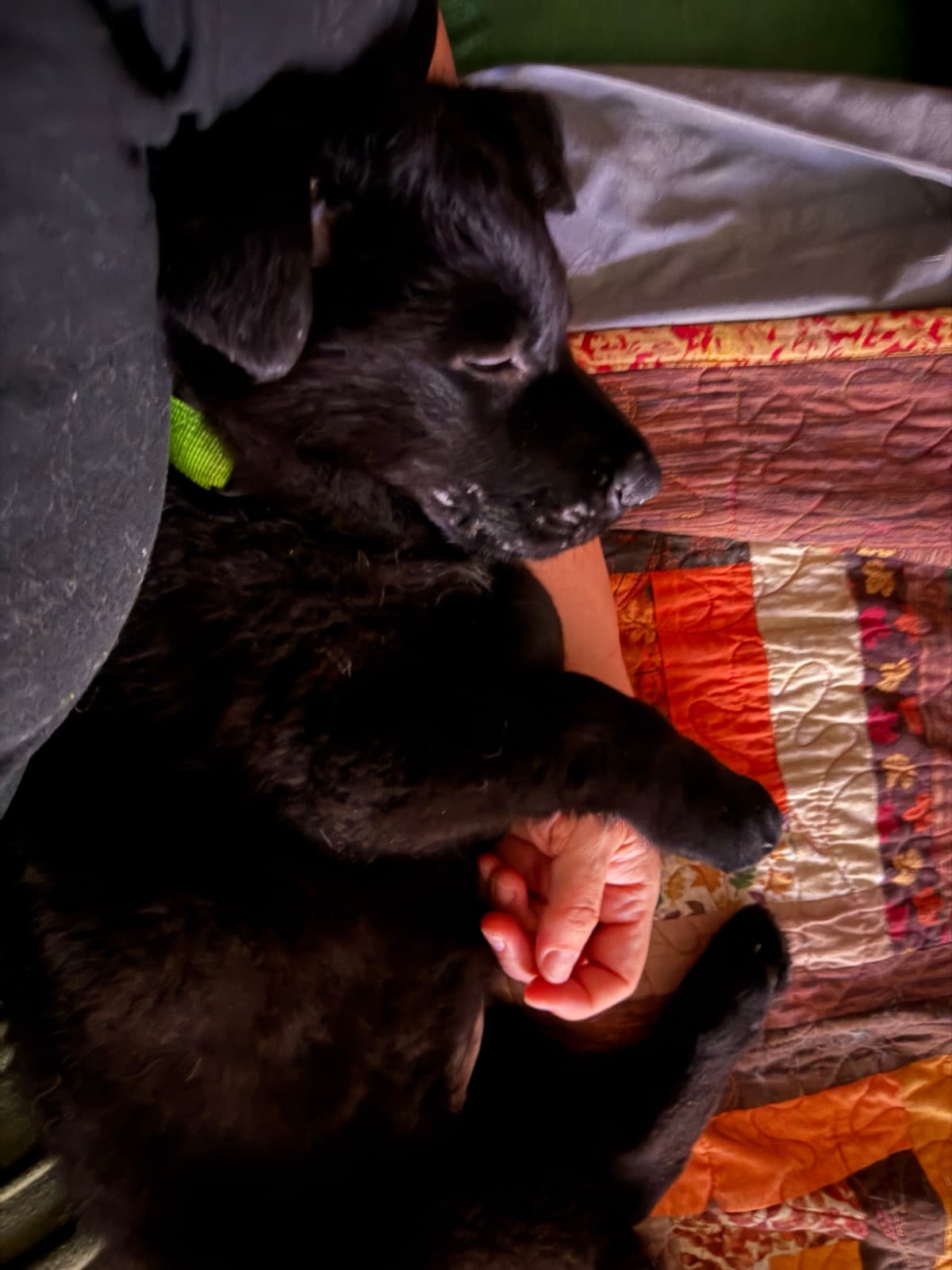
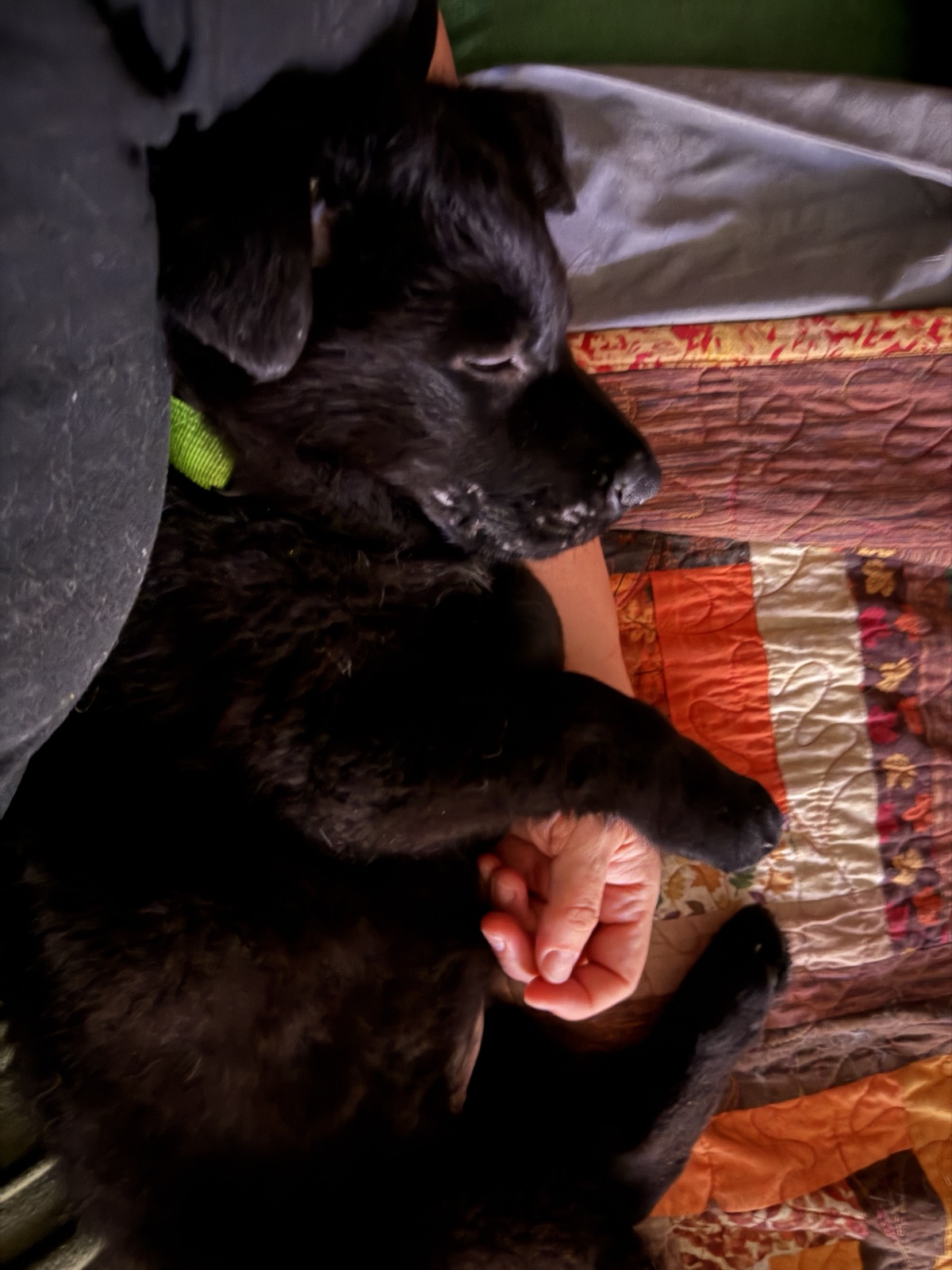
Let me say this plainly: puppies are not a highlight reel.
They are love and laughter and promise, yes. They are also poop, noise, cleanup, conflict management, and constant adjustment. If all you ever watch is the polished social media clip, you will miss the part that actually matters.
I am an older woman. I am not one of the young, high-energy trainers in the wild YouTube montages, sprinting through perfect drills for the camera. My life is quieter than that, and my puppies are raised in a normal household rhythm: structure, affection, supervision, and real-world exposure.
Safety is structure, not isolation
Do I use crates and runs? Absolutely. Safety demands it.
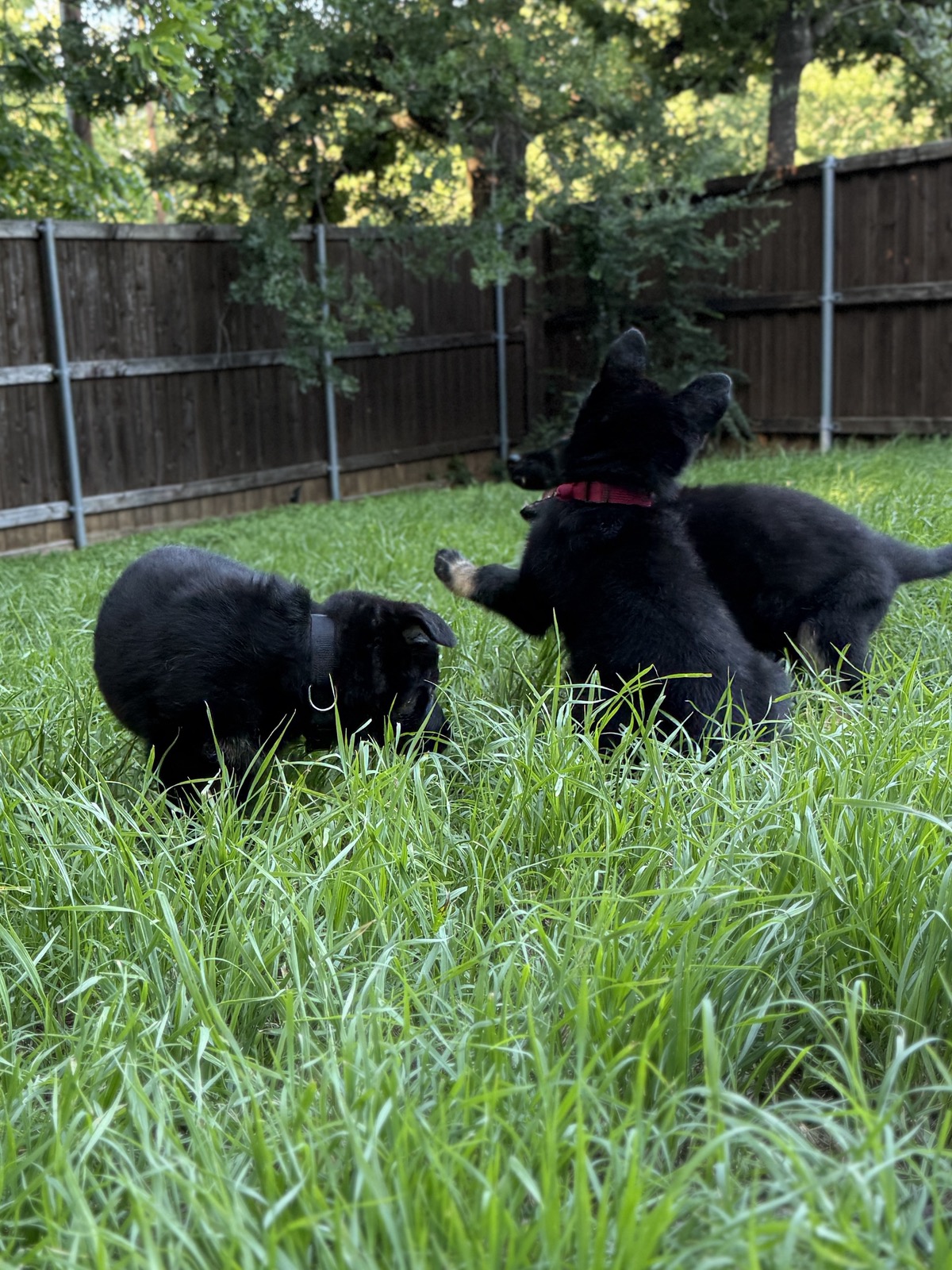
But in my program, those tools are temporary, practical, and connected to home life. My puppy run is attached to the house. The puppies are either inside with us or outside on the back patio where I can hose everything down over and over all day long. Eight times a day is not exaggeration. Puppies poop like professionals.
They are not parked out of sight. They are in the middle of life.
Real socialization looks like real life
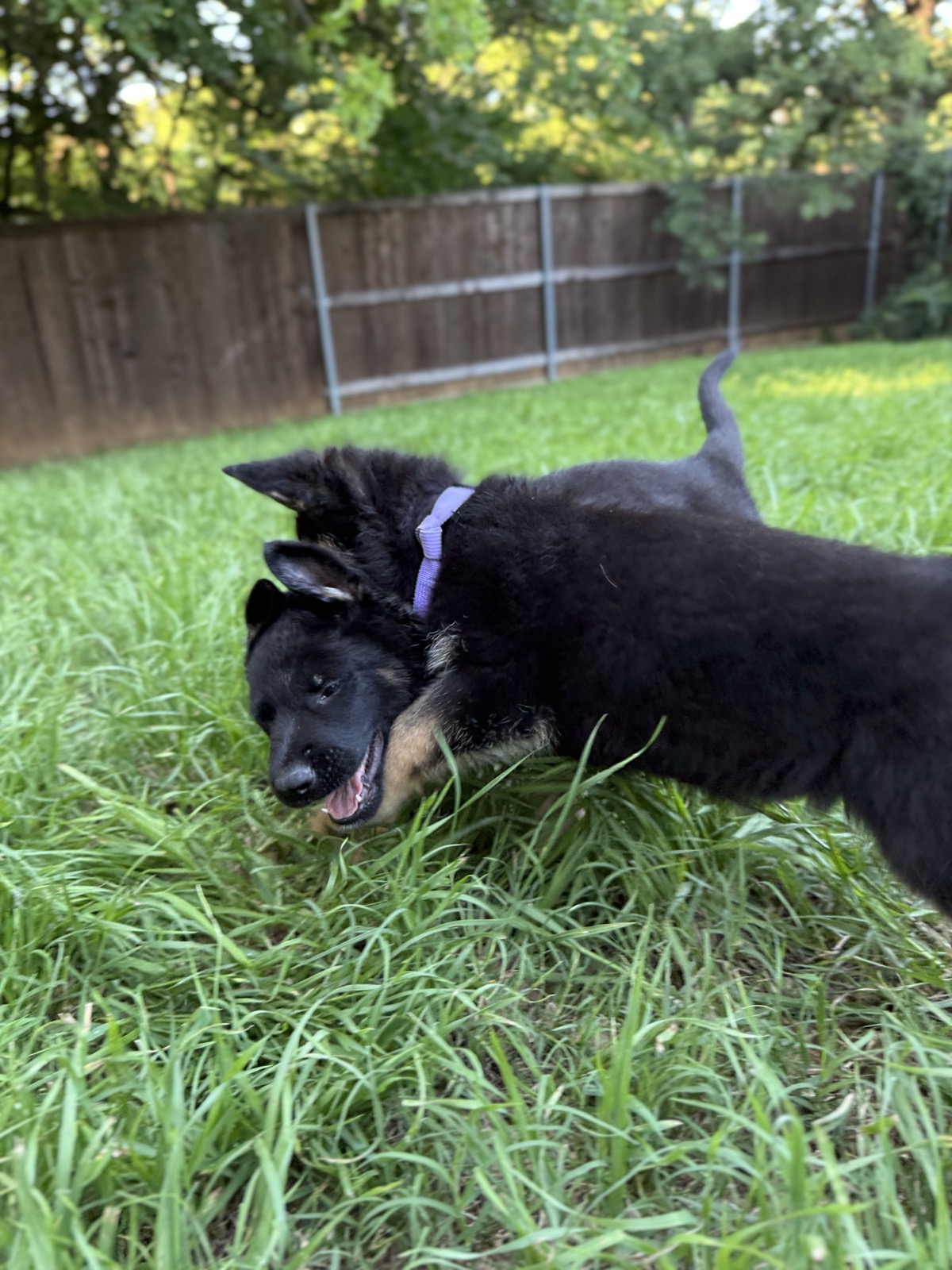
These puppies interact with my pets, my retired service dogs, and even play through the fence with the cats. They get supervised time loose in the backyard to explore and build confidence.
That supervision is not optional. I have large adult dogs here, and some of them are not thrilled when puppies investigate whether there is milk in anybody’s belly. Especially my males. So I manage space, timing, and access with intention, not wishful thinking.
Good socialization is not chaos. It is controlled exposure.
Crates are a skill, not a sentence
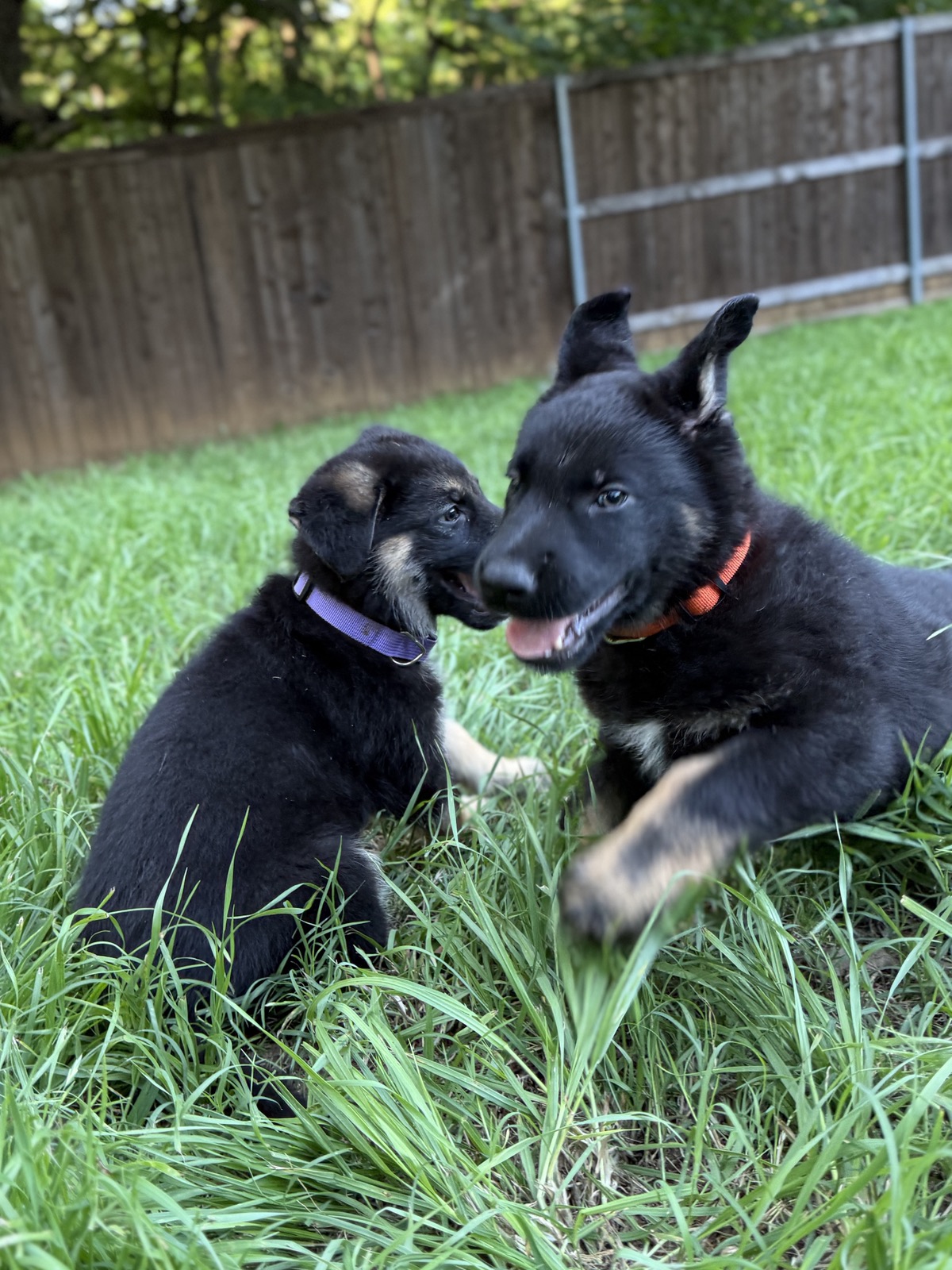
We recently started feeding in crates inside the run: six bowls, six crates, doors open. In theory, perfect system. In practice, they still wander and try to share each other’s food anyway, because puppies are puppies.
Right now, the crates stay open for exposure and confidence-building. We make it a game. They are learning that crates predict food, calm, and good things.
Over the next couple of weeks, I will begin closing doors during meals, then opening them as soon as they finish. Minimal confinement. Low pressure. Repetition.
Most puppies will adapt quickly. A couple are already showing higher confinement stress, so I move carefully. No drama. No force. Just steady, fair progress.
A service dog is not a push-button robot
I have not had a "push-button" dog since my twenties, and honestly, that is not the goal anyway.
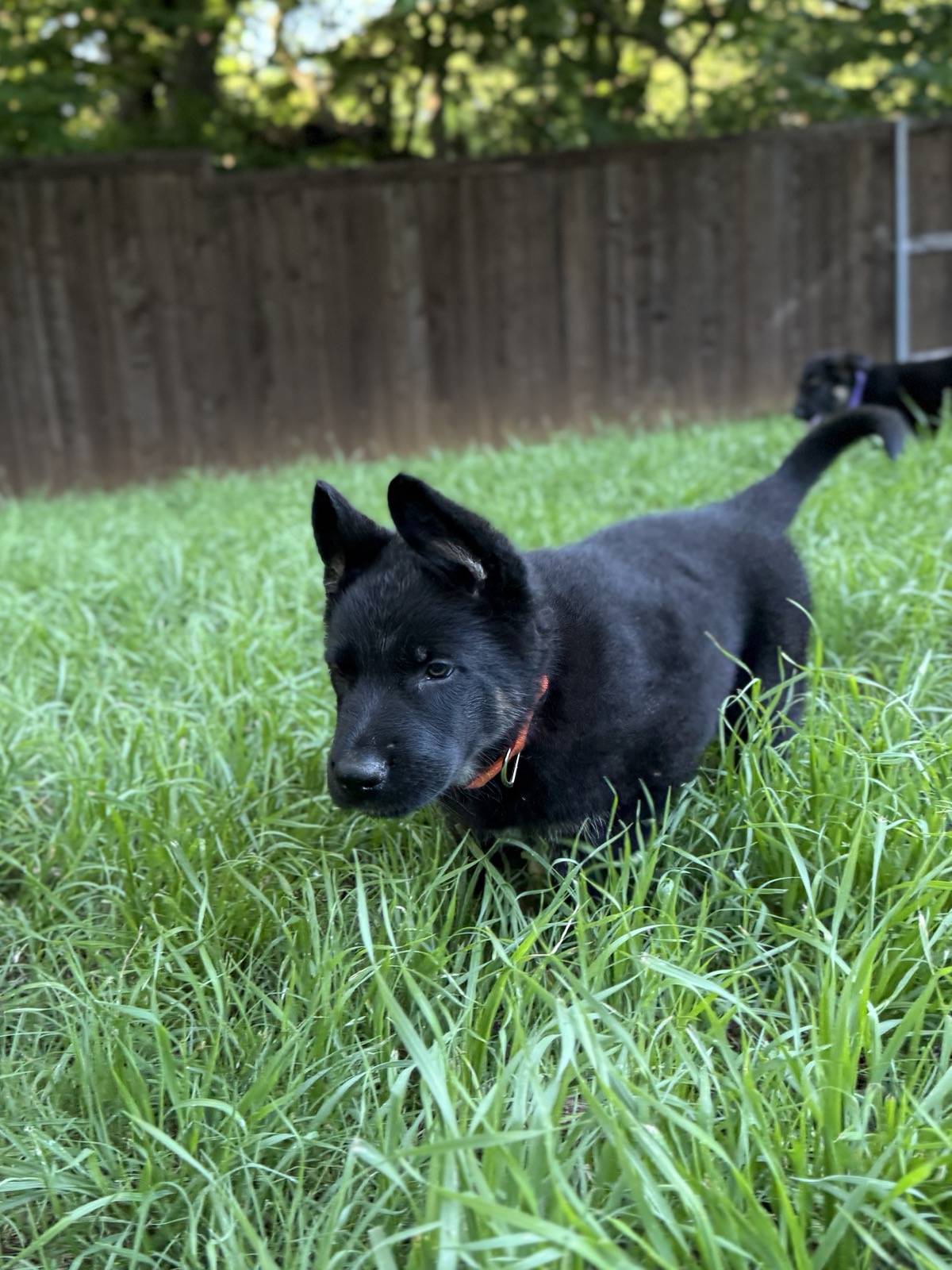
A true service dog is a full-life partner, not an obedience demonstration. Yes, they need behavior. Yes, they need skills. But they also need an off-switch. They need to relax, think, and recover. If all you build is intensity, they burn out fast, no matter how flashy their obedience looks online.
For me, it is always balance: fun and work together.
At seven weeks old, the work is still fun. It should be. That does not mean nothing is happening. It means the foundation is being laid in a way the puppy can carry for years.
I am still working these dogs every day. I just do it in a calmer, more honest way than the hyper-kinetic videos people confuse with readiness.
Obedience is important. Endurance is essential.
And for service work, balance is everything.
If you want a deeper look at exactly how I approach crate work for service-dog prospects, you can read my free guide here: Crate Training for Service Dogs.
Strength stands watch.
And so do I.
Wendi Coffman-Porter
Real handler, real stories, real dogs.
FurPower.org