If you've ever watched a skilled dog trainer work, it can look almost like telepathy. A small shift in weight, a turn of the head, shoulders set a certain way—and the dog responds as if you gave a full sentence. The spoken command is real, but the body usually says more than the word.
Trainers talk to dogs with body language far more than with words. You can say "sit," but if your hips, shoulders, and eyes are saying something else—tension, doubt, distraction—the dog is reading that first. When the dog "fails" the same cue again and again, a lot of the time the person is giving two different messages at once. That isn't the dog being stubborn. That's us being sloppy in a language they're built to read.
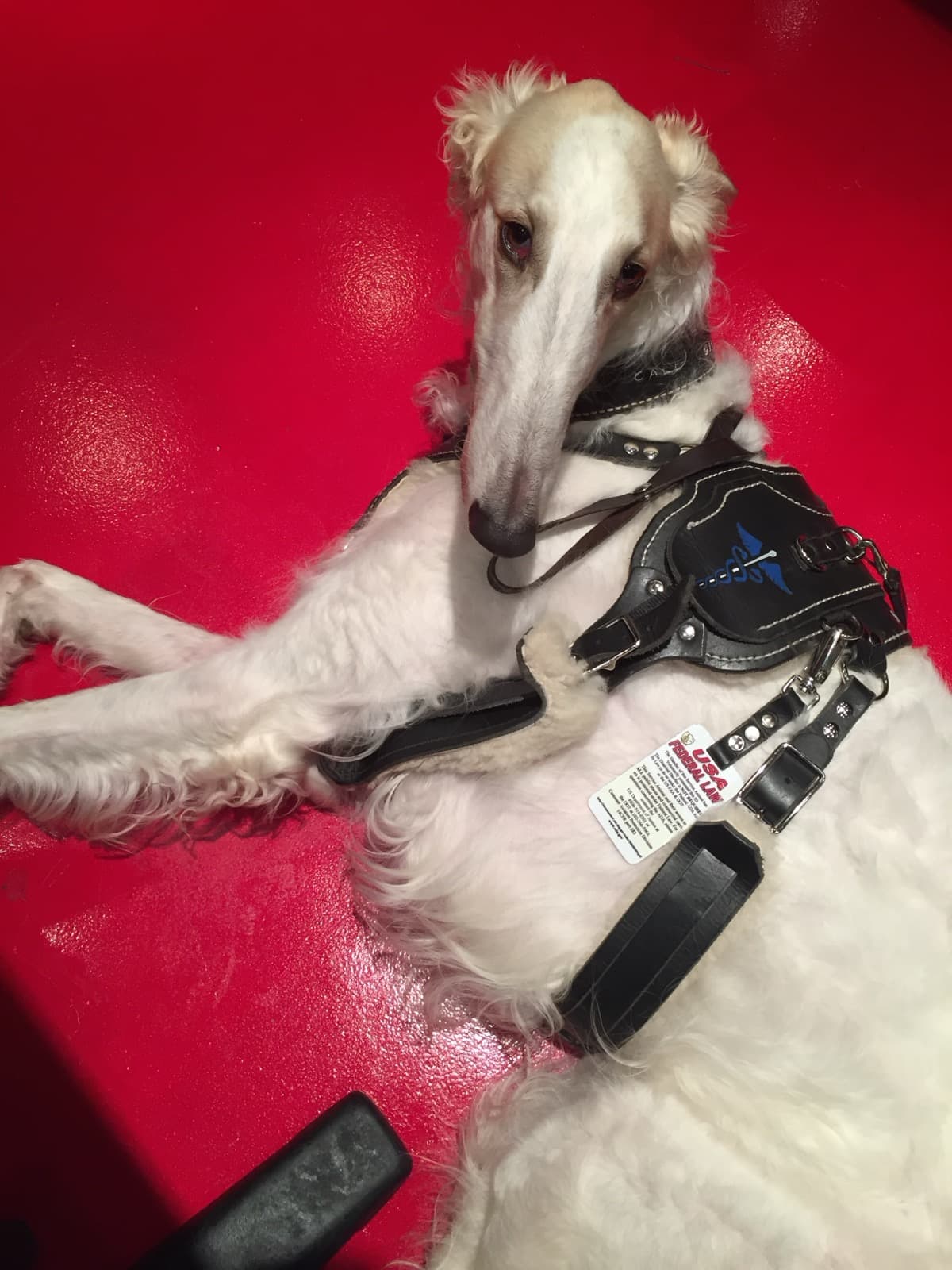
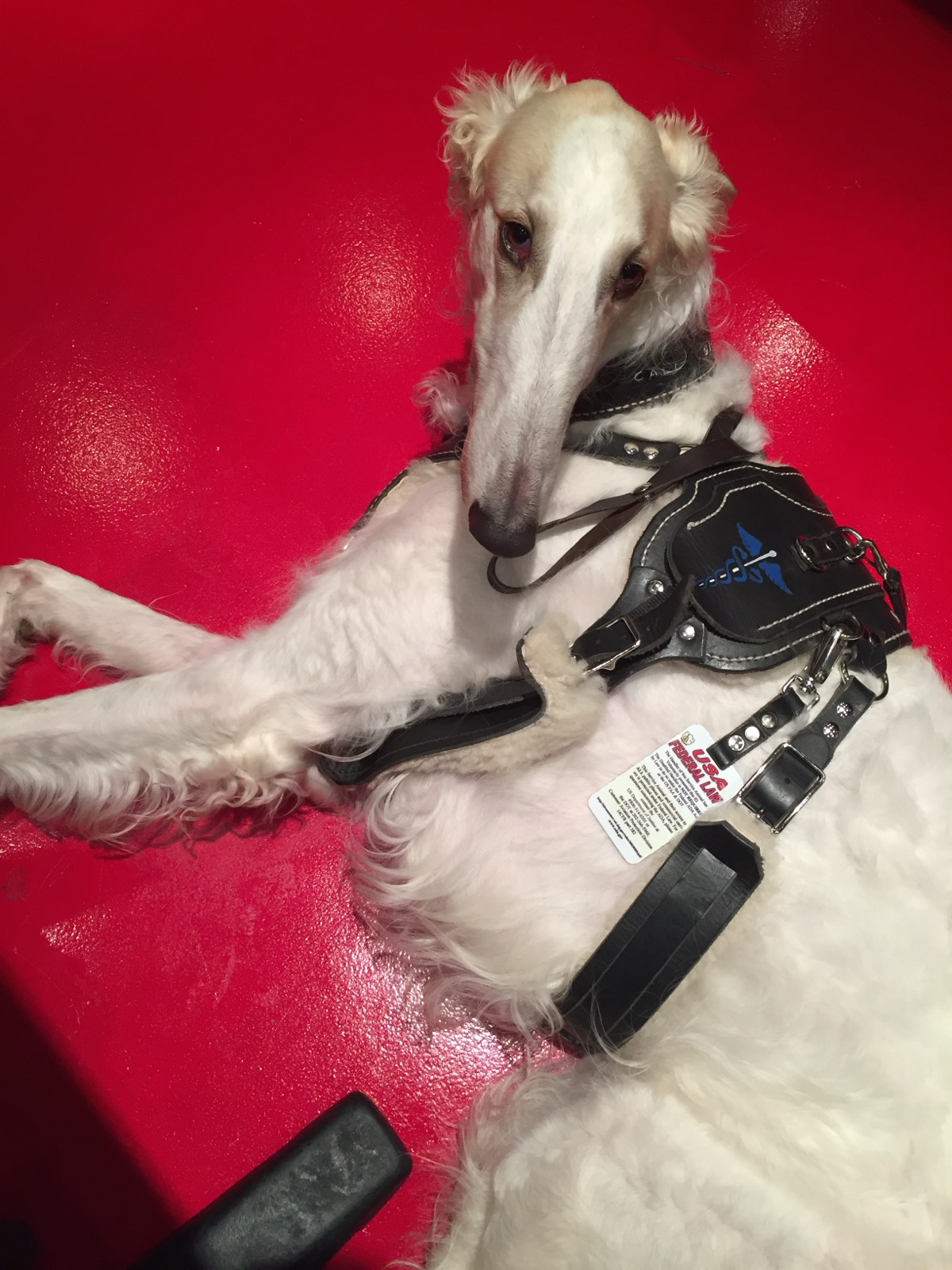
Dogs don't do small talk. Their world is body language: ear, tail, weight shift, the set of the whole animal. No words, no excuses. Spend your days in that conversation and you get sharp at it. Want to get that sit perfect every time? Then work on getting your own body and cues to be exactly the same every time. Learn to read what you're really saying to your dog. Get good enough and that skill won't vanish when the harness or vest comes off.
This kind of constant work on communication with and without words has a fascinating side effect. While the dog is reading every twitch we make, handlers and trainers get very good at reading body language in general. It isn't mysticism. It's pattern recognition—years of noticing small cues until they're hard to miss. The dog teaches you the language; after a while you start seeing it everywhere.
As many already know, most human communication is nonverbal. Posture, micro-expressions, where the eyes go, how long a look lasts, even how the hips are shifted slightly in the middle of a conversation—these things all tell a story: the truth behind the polite version. For a handler with a K-9, that means we see the pity tilt, the excited lean-in, the tight jaw, the stare that says fake without a syllable. The exact amount of body language in any exchange varies by situation, person, and place—but for a handler who has learned to read those micro-adjustments in your body language, what you do with your body often outweighs what you say out loud. So relax—we're not psychic. You're signaling. Loudly. And we've spent years learning to notice what most people never even think about.
All I ask is that when you see a service dog team in public and your mind goes straight to pity, curiosity, suspicion, resentment, or fear, realize that we notice. Most of the time we choose to ignore it. We have other work: keeping our dog on task, staying functional, getting through the store without turning every aisle into a lesson. Be glad a lot of us would rather keep walking than stop and say, "We saw that." Because we did.
Strength stands watch.
And so do I.
Wendi Coffman-Porter